
Kawasaki Global Animal Health, Inc.

Preclinical Decision Support

Adenine-Induced CKD Model Evaluation

Generate early PoC data to inform CKD development decisions in Animal Health.

Are You Looking for a Practical CKD Evaluation Model?

  • You are looking for a model suitable for CKD evaluation.
  • You need to assess renal function, fibrosis, and pathology within a practical timeline.
  • You are exploring potential applications in CKD research for aging dogs or cats.
  • You need a reproducible system for early efficacy assessment.

CKD Model Evaluation Proposed by KGAH

Selecting the right disease model is critical to early development decisions. KGAH helps align the research objective, evaluation strategy, and appropriate specialized research partner so teams can generate decision-relevant data.
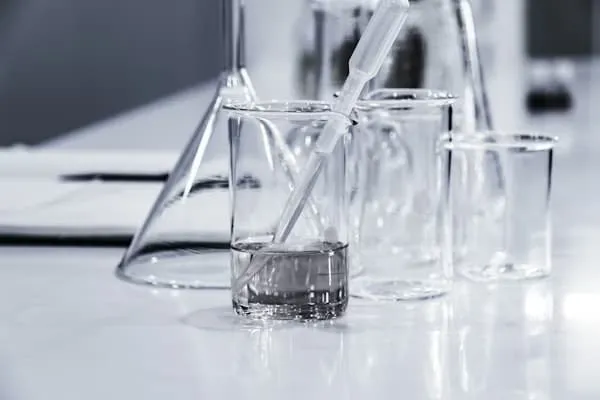
Evaluate CKD Pathology Within a Practical Timeline
Point 01

Evaluate CKD Pathology Within a Practical Timeline

The adenine-induced CKD model can be used to evaluate renal dysfunction, fibrosis, and pathological injury within a relatively practical study timeline. It may be suitable for early PoC studies and initial efficacy evaluation in CKD-related development programs.

Capture Multiple Readouts for Efficacy Assessment
Point 02

Capture Multiple Readouts for Efficacy Assessment

The model can combine multiple endpoints, including BUN, creatinine, GFR, histopathology, and fibrosis assessment, to evaluate candidate activity from functional, pathological, and fibrotic perspectives.
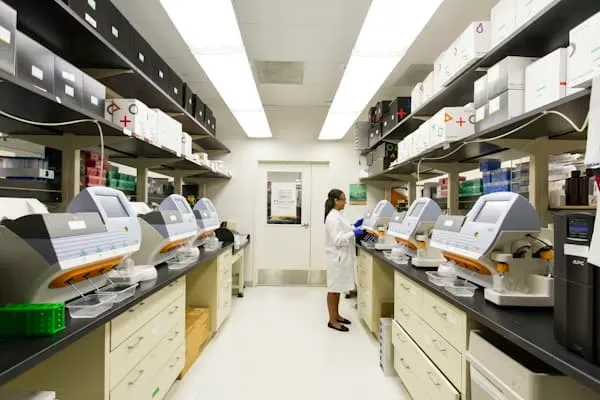
KGAH Supports Research and Development Decisions
Point 03

KGAH Supports Research and Development Decisions

KGAH supports research planning and development decision-making in Animal Health. When study execution is required, KGAH coordinates access to CKD model evaluation services performed by SMC Laboratories.

Efficacy Evaluation Example Using Telmisartan

This is an example of efficacy evaluation using telmisartan, a reference compound with known renoprotective activity.

Improvement in renal function
Changes were observed in renal function-related parameters, including BUN and creatinine-related clearance values.
Improvement in pathological findings
Pathological findings suggested mitigation of structural kidney damage and tubulointerstitial injury.
Suppression of renal fibrosis
Fibrotic area, a key factor in CKD progression, was reduced in the evaluation.

FAQ

What type of research is this CKD model suitable for?
This model may be useful for early-stage efficacy evaluation and exploratory CKD research where renal dysfunction, fibrosis, and pathological changes need to be assessed.
Does KGAH conduct the animal study directly?
KGAH supports research planning, decision-making, and coordination. Actual study execution is performed by SMC Laboratories or another appropriate specialized research institution, depending on the project.
Can this model be discussed for Animal Health applications?
Yes. KGAH can discuss potential applications in Animal Health research, including CKD-related studies in aging dogs and cats.

Discuss Adenine-Induced CKD Model Evaluation

Please contact us to discuss evaluation endpoints, study timelines, and potential applications in Animal Health research.

MENU
Back to top